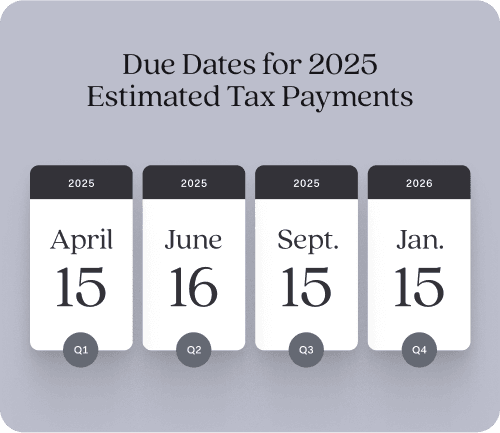
As the tax season approaches, understanding the timeline for your tax refund is crucial for effective financial planning. The 2028 Tax Refund Schedule Chart is a vital resource, providing taxpayers with a clear breakdown of when they can expect to receive their refunds after filing. Whether you e-file or mail your return, knowing the specific dates helps you avoid uncertainty and manage your finances more effectively. This chart outlines key dates, including when the IRS typically starts processing returns, when you can expect your refund if you claim different tax statuses, and important deadlines to remember. Stay tuned as we delve into the details of the 2028 Tax Refund Schedule Chart to ensure you’re well-prepared for the upcoming tax season!
Understanding the 2028 Tax Refund Process
In 2028, taxpayers will navigate a streamlined tax refund process designed to ensure timely and accurate refunds. Understanding this process is crucial for planning your finances and anticipating when to receive your funds. This section provides insight into the critical steps involved in the 2028 refund procedure, with a focus on the 2028 Tax Refund Schedule Chart and what it means for taxpayers.
Key Steps in the Refund Process
The refund process can be broken down into several key steps:
- Filing Your Tax Return: Ensure you file your federal and state tax returns on time to avoid delays.
- Choosing a Refund Method: Opt for direct deposit or a mailed check based on your preference. Direct deposit is generally faster!
- Tracking Your Refund: Utilize online tools provided by the IRS or state tax authorities to track the status of your refund.
Understanding the Tax Refund Schedule
Taxpayers can refer to the 2028 Tax Refund Schedule Chart to understand when they can expect their refunds, depending on when they file:
Key Dates in the 2028 Tax Refund Schedule
Understanding the 2028 Tax Refund Schedule Chart is crucial for maximizing your tax return experience. Key dates throughout the year will guide taxpayers on when to file, when to expect refunds, and other important tax-related deadlines. Here’s a comprehensive overview of the essential dates you should keep an eye on.
Important Filing Dates
The filing deadline for individual tax returns in 2028 is set for April 15. It’s vital to file your return by this date to avoid any penalties. If you need more time, consider filing for an extension, which will give you until October 15 to file your paperwork.
Remember, an extension to file does not extend the time to pay, so be sure to pay any owed taxes by the usual deadline.
Refund Issuance Dates
Generally, the IRS issues refunds within 21 days of receiving your return. However, the specific dates can vary based on when you file. For instance:
- Early Filers: If you file in January, you may expect a refund by mid-February.
- Standard Filers: Filing in March could see refunds issued by early April.
- Last Minute Filers: Filing in April may lead to delays, and refunds may not arrive until late May.
How to Read the 2028 Tax Refund Schedule Chart
The 2028 Tax Refund Schedule Chart is a comprehensive tool designed to help taxpayers understand when they can expect their tax refunds. This chart outlines refund processing times based on various filing methods, allowing individuals to better plan their finances. Here’s how to effectively read and utilize the chart.
Key Components of the Tax Refund Schedule
The chart is divided into several sections, which include:
- Filing Method: This indicates whether you filed electronically or via mail.
- Expected Refund Date: This shows the anticipated date you should receive your refund.
- Status Updates: These offer updates on processing times and potential delays.
Understanding these key components is essential for timely financial planning.
How to Interpret Processing Times
The processing times are generally categorized into three segments:
- Direct Deposits: Typically process within 21 days for electronic filings.
- Paper Checks: May take up to six weeks after filing by mail.
- Amended Returns: Require longer processing times, usually around 16 weeks.
Recognizing these timelines helps in managing expectations effectively.
Factors That Affect Your 2028 Tax Refund Timing
When planning for your financial future, one of the key aspects to consider is the timing of your 2028 tax refund. Several factors can influence when you receive your refund, making it crucial to stay informed throughout the tax season.
Filing Method
Your choice of filing method significantly impacts your refund timing. Electronic filing generally results in quicker processing compared to paper filing. If you opt for e-filing and choose direct deposit, your refund can arrive in as little as 21 days.
Tax Complexity
The complexity of your tax situation also plays a role. Simple returns tend to be processed faster than those with multiple sources of income, investments, or itemized deductions. Delayed processing can occur if additional information is needed from taxpayers or if discrepancies arise.
- Simple Returns: Faster Refunds
- Complex Returns: Possible Delays
- Need for Additional Documentation
IRS Processing Times
The Internal Revenue Service (IRS) has established specific peak times during tax season where processing can slow down. Anticipate longer waits if you file right before the deadline.
Tips for Preparing Your Tax Return for a Smooth Refund
Preparing your tax return for 2028 doesn’t have to be overwhelming. With some careful planning and organization, you can ensure a smooth refund process. Follow these tips to streamline your experience and maximize your return.
Gather Necessary Documents
Start by collecting all relevant documents required for your tax return. This includes:
- W-2 forms from your employer
- 1099 forms for freelance or contract work
- Receipts for deductible expenses
- Any other pertinent financial records
By having everything in one place, you’ll save time and ensure accuracy.
Choose the Right Filing Method
Decide whether to file your taxes online or use a professional tax preparer. Filing online can expedite your refund, especially when utilizing e-filing and direct deposit options for 2028. Consider these points:
- E-filing is often faster and easier.
- Choose trusted tax software to simplify the process.
- Consult a tax professional if your situation is complex.
Double-Check Information
It’s crucial to double-check all the information entered to avoid delays in receiving your refund. Make sure:
- Your Social Security number is correct.
- All income is reported accurately.
- Banking details are precise for direct deposit.
Taking these precautions helps prevent unnecessary complications.
Common Questions About the 2028 Tax Refund Schedule
The 2028 Tax Refund Schedule Chart is essential for taxpayers looking to plan their finances wisely. Understanding when tax refunds are expected can save individuals from unnecessary stress and financial strain. Below, we address some of the most frequently asked questions regarding the 2028 tax refund schedule.
When Will Refunds Be Issued?
Typically, the IRS begins to issue refunds about 21 days after accepting the tax return if filed electronically. For filers expecting a refund in 2028, you can anticipate refunds beginning in mid-February if your return is filed early.
Those opting for paper returns may experience longer waiting times. It’s crucial to check the IRS guidelines and the 2028 Tax Refund Schedule Chart for specific dates.
What Factors Affect the Timing of My Refund?
Several factors can influence the timing of your tax refund:
- Filing Method: E-filing is generally quicker than paper filing.
- Claimed Credits: Certain tax credits, like the Earned Income Tax Credit (EITC) or the Additional Child Tax Credit, may extend processing times.
- Errors on the Return: Any discrepancies can delay the processing of your refund.
Frequently Asked Questions
- What is the 2028 tax refund schedule?
- The 2028 tax refund schedule outlines the expected dates when taxpayers can anticipate receiving their tax refunds based on when they filed their tax returns.
- When should I file my taxes to receive my refund early?
- To receive your refund early, it is generally recommended to file your taxes as soon as possible after the tax season opens in 2028, usually in January.
- How do I check the status of my tax refund?
- You can check the status of your tax refund through the IRS website using the ‘Where’s My Refund?’ tool, which allows you to track your refund based on your filing date.
- Are there any delays expected in the 2028 tax refund process?
- While most refunds are processed within the expected timeframe, factors like filing errors, missing information, or changes in tax laws may cause delays. It’s advisable to check for updates from the IRS.
- What should I do if my tax refund is late?
- If your tax refund is late, first check the status online. If it remains unresolved beyond the expected timeframe, you may need to contact the IRS for assistance.
- Will the refund schedule be the same for everyone?
- The refund schedule may vary based on several factors, including your filing method, the complexity of your tax return, and whether you are claiming credits like the Earned Income Tax Credit.
- What documents do I need to prepare for filing my taxes in 2028?
- You will typically need documents such as your W-2 forms, 1099s, interest statements, and any receipts for deductible expenses to prepare for your 2028 tax filing.
- Can I still get a tax refund if I owe back taxes?
- If you owe back taxes, your refund may be reduced or offset to cover those debts. It’s always a good idea to consult with a tax professional if you have concerns.
Final Thoughts
As we look ahead to the 2028 tax season, having access to a reliable 2028 Tax Refund Schedule Chart can empower taxpayers to plan effectively and reduce financial stress. This chart serves as a vital resource, highlighting key dates that will guide you through refund expectations and tax day submissions. Staying informed about the schedule not only ensures timely submissions but also helps in budgeting and financial planning throughout the year. Remember, early preparation and understanding of the tax landscape is essential to maximize your refund. Keep referring back to the chart as the tax season approaches, and ensure you are on the right track for a smooth experience come tax time.