As the excitement for Formula 1 racing continues to grow, fans are eagerly anticipating the F1 Schedule 2028. With thrilling new circuits, renowned driver rivalries, and advanced technological innovations on the horizon, 2028 promises to be a landmark year in the world of motorsport. Each season not only offers a chance to witness awe-inspiring speed and skill but also reflects the ever-evolving landscape of the sport itself. In this blog, we’ll dive into the key features of the F1 Schedule 2028, including race venues, dates, and what fans can expect from their favorite teams and drivers in an adrenaline-fueled championship series.
Introduction to the F1 Schedule 2028
The F1 Schedule 2028 is set to bring excitement and drama to race fans around the globe. This year sees the addition of several new locations and the return of classic racetracks, enhancing the competitive spirit of Formula 1. With fans eagerly anticipating each Grand Prix, 2028 promises to redefine motorsport experiences.
Key Highlights of the 2028 Schedule
The revamped calendar includes a mix of traditional circuits along with new street races. Some of the more notable features for the F1 Schedule 2028 are:
- Inclusion of two new street races in exciting international cities
- Return of iconic tracks loved by fans
- Potential changes to the race weekend format
Impact on Teams and Drivers
Teams and drivers will need to adapt quickly to the evolving schedule. The different race conditions and new venues will challenge their strategies and performance.
- Closely analyzing track data and weather conditions.
- Strategizing pit stops and tire choices unique to each circuit.
Key Changes and Updates for 2028
The F1 Schedule 2028 stands to be an exciting year for fans and teams alike, with significant updates reshaping the motorsport landscape. Key changes are aimed at enhancing competition and sustainability within the sport, making the new season one to watch.
New Circuit Additions
In 2028, the F1 calendar welcomes two new racing circuits that promise thrilling experiences: Las Vegas and a stunning new Helsinki circuit in Finland. Both tracks are designed to cater to high-speed racing while providing unique challenges for drivers.
Increased Race Focus on Sustainability
This year, Formula 1 is taking a bold step towards sustainability. All races will feature bio-fuel technology and the introduction of carbon-neutral initiatives. These measures aim to reduce the league’s carbon footprint dramatically.
- Introduction of hybrid engines with increased fuel efficiency.
- Mandatory sustainability practices for all teams.
- Promotion of green technologies at all circuits.
Highlights of the 2028 Race Calendar
The F1 Schedule 2028 promises an action-packed season filled with thrilling races across various iconic circuits around the globe. Fans can expect to witness the excitement of high-speed competition, new tracks, and the return of classic venues as the calendar unfolds.
Key Dates to Remember
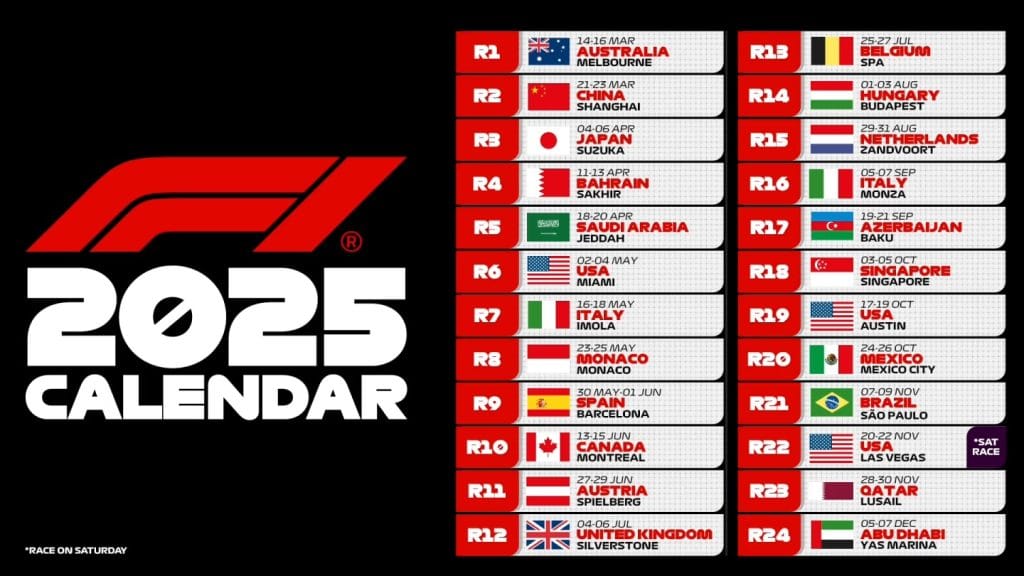
This year’s calendar features a total of 23 races, starting with the season opener in Bahrain on March 3 and culminating in the season finale in Abu Dhabi on December 15. Each race weekend will offer spectacular events in a unique atmosphere.
Here’s a brief overview of some must-see races:
- Bahrain Grand Prix: March 3
- Monaco Grand Prix: May 26
- Brazilian Grand Prix: November 10
- Abu Dhabi Grand Prix: December 15
New Additions and Notable Changes
This season introduces the highly anticipated Las Vegas Grand Prix, which will take place on the famed Strip on November 24. Additionally, the inclusion of the Miami Grand Prix has created significant buzz among fans.
The F1 Schedule 2028 is designed to enhance the fan experience and showcase the sport’s evolution as it embraces innovation and sustainability.
New Venues and Returning Classics in 2028
The F1 Schedule 2028 promises to be an exhilarating mix of new venues and time-honored circuits that have defined Formula 1 racing over the years. Fans can look forward to thrilling races in cities that have never hosted F1 events before, alongside the return of legendary tracks that have witnessed some of the most iconic moments in the sport’s history.
Exciting New Additions
This year, the introduction of stunning new circuits invigorates the F1 Schedule 2028. For instance:
- Tokyo, Japan – A vibrant street circuit set against a backdrop of the city’s stunning skyline.
- Rio de Janeiro, Brazil – The return of F1 racing to Brazil with a breathtaking layout that captures the essence of the stunning landscape.
These venues are designed to challenge drivers and thrill audiences, ensuring an unforgettable race weekend.
Returning Classics That Define Formula 1
Alongside new tracks, 2028 will also witness the highly anticipated return of classic circuits:
- The iconic Monaco Grand Prix, renowned for its tight corners and glamorous setting.
- The historic Silverstone Circuit in the UK, home to the very first Formula 1 race.
These returning classics are celebrated by fans and are pivotal in shaping the legacy of Formula 1.
How the 2028 Schedule Affects Teams and Drivers
The F1 Schedule 2028 introduces several changes that significantly impact both teams and drivers in the championship. With an expanded calendar featuring new venues and classic circuits alike, strategies for preparation and performance must be recalibrated.
Impact on Team Strategies
Teams will need to adapt their car development timelines to align with the unique characteristics of each track. For instance, circuits that favor high-speed setups may require specialized tuning, while street circuits necessitate a focus on braking performance and maneuverability. This variability makes it crucial for teams to have versatile and adaptable designs.
Additionally, the compressed timeline between races means that teams must employ efficient logistics for transport and setup, leading to increased operational challenges.
Driver Preparation and Performance
Drivers face the challenge of maintaining peak physical condition with an intensified schedule. The mental toll of racing back-to-back weekends can influence performance, making recovery protocols more important than ever.
- Enhanced fitness routines
- Nutrition and hydration strategies
- Mental conditioning sessions
Furthermore, adapting to new circuits will require increased simulator time and track walks, significantly altering their historical preparation methods.
Fan Engagement and Experiences in 2028
As Formula 1 gears up for its F1 Schedule 2028, fan engagement is poised to reach new heights. In this year, advancements in technology and a commitment to sustainability have transformed how fans interact with the sport, fostering a richer experience both at the tracks and online.
Immersive Digital Experiences
In 2028, F1 fans can expect a range of immersive digital experiences, including enhanced virtual reality (VR) simulations that allow supporters to experience races from the driver’s perspective. These innovations enable fans to feel the adrenaline rush of the racetrack and inspire them to engage more closely with the team and driver dynamics.
Additionally, the introduction of interactive features during live broadcasts includes real-time statistics and fan voting mechanisms for race strategies, enhancing viewer participation.
Community Events and Local Initiatives
F1 is also enhancing fan experiences through community events across cities hosting races in the F1 Schedule 2028. Each race weekend features:
- Fan zones with interactive displays and driver meet-and-greets
- Live music performances and entertainment attractions
- Charity initiatives linking the race to local causes
Implications of the 2028 Schedule on Championship Contenders
The F1 Schedule 2028 introduces a new dynamic that may significantly affect the championship race. With an altered calendar featuring new circuits and additional back-to-back races, teams will need to adapt quickly to maintain peak performance. The implications of these changes could determine which teams will be the primary contenders this season.
Impact of Additional Races
The increased number of races in the 2028 schedule puts enormous pressure on teams and drivers alike. A longer season means more opportunities for both triumph and disaster, influencing championship outcomes significantly.
Teams will have to evaluate their resources to cope with the demands of a tighter schedule, potentially impacting driver endurance and vehicle performance. This could level the playing field between seasoned teams and emerging talents.
New Circuit Challenges
Introducing new circuits in the 2028 F1 calendar could alter the championship landscape. Each venue presents unique challenges that require strategic adjustments:
- Performance Variability: Teams will need to fine-tune their setups for various track conditions.
- Driver Adaptability: Champions will need to quickly familiarize themselves with new layouts.
- Weather Factors: Adjustments for localized climate conditions could play a significant role.
Frequently Asked Questions
- When does the F1 season start in 2028?
- The F1 season in 2028 is scheduled to start on March 25 with the Australian Grand Prix.
- How many races are there in the 2028 F1 season?
- The 2028 F1 season features a total of 23 races across various locations around the world.
- Where will the final race of the 2028 F1 season be held?
- The final race of the 2028 F1 season will take place at the Abu Dhabi Grand Prix on November 25.
- What notable new circuits are included in the 2028 F1 schedule?
- The 2028 F1 schedule includes the addition of the Las Vegas Grand Prix and the return of the South African Grand Prix.
- Are there any major changes in the 2028 F1 regulations?
- Yes, the 2028 season will introduce further enhancements to sustainability and safety regulations, including improved hybrid power unit specifications.
- Where can I find the complete F1 schedule for 2028?
- The complete F1 schedule for 2028 can be found on the official Formula 1 website, as well as on various sports news platforms.
- Will there be any night races in the 2028 F1 season?
- Yes, the 2028 F1 schedule includes night races such as the Singapore Grand Prix and the Bahrain Grand Prix.
- How can I watch the F1 races in 2028?
- F1 races in 2028 will be broadcasted on various sports networks and streaming services, depending on your region. Check local listings for details.
Closing Thoughts
The F1 Schedule 2028 promises to be an exhilarating journey for motorsport fans around the globe. With a lineup that features diverse circuits, thrilling night races, and possibly new venues, it’s shaping up to be a historic season. As we anticipate the changes and innovations that will unfold throughout the year, fans should prepare for a rollercoaster of emotions, showcasing the unparalleled skills of their favorite drivers and teams. Stay tuned for updates, as the excitement continues to build towards the incredible races that lie ahead. Let the countdown to 2028 begin, and may the best driver dominate the tracks!