As tax season approaches, it’s essential for individuals and businesses to stay informed about changes and updates in tax regulations. One key component to understand for the upcoming year is the IRS Tax Schedule 2028. This schedule outlines crucial information regarding tax brackets, deductions, and credits that can significantly impact your financial planning. With the ever-evolving tax landscape, the IRS Tax Schedule 2028 will be instrumental in helping you navigate your tax obligations efficiently. In this blog, we’ll break down the key aspects of the IRS Tax Schedule 2028, ensuring you have the knowledge you need to optimize your tax returns and make informed decisions this tax season.
Understanding the IRS Tax Schedule for 2028
The IRS Tax Schedule 2028 provides essential guidelines for individuals and businesses alike regarding their tax obligations in the year 2028. Understanding this schedule is crucial for effective tax planning, as it outlines the various income brackets along with the corresponding tax rates.
Key Components of the IRS Tax Schedule
In 2028, the IRA tax schedule will have several key components you need to consider:
- Tax Brackets: Different rates based on income levels.
- Deductions: Standard and itemized deductions available.
- Credits: Available tax credits that can lower your overall tax liability.
Income Tax Rates for 2028
The income tax rates for the year 2028 will be similar to previous years but adjusted for inflation. It is crucial to stay updated on the specific percentages assigned to each income bracket.
- 10% on income up to $10,275.
- 12% on income over $10,276 to $41,775.
- 22% on income above $41,776 to $89,075.
Key Changes to Tax Rates and Brackets
As we approach the IRS Tax Schedule 2028, it’s essential to understand the key changes that have been implemented in the tax system. This year has seen a shift in tax rates and brackets that could significantly impact individual taxpayers and businesses alike.
New Tax Brackets for 2028
The 2028 tax rates introduce new income thresholds, affecting how much tax is owed for various income levels. Here’s a breakdown:
- 10% for incomes up to $10,250
- 12% for incomes between $10,251 and $41,650
- 22% for incomes between $41,651 and $89,450
- 24% for incomes between $89,451 and $170,050
- 32% for incomes between $170,051 and $215,950
- 35% for incomes between $215,951 and $539,900
- 37% for incomes above $539,900
This update aims to adjust for inflation and the cost of living, providing relief to many taxpayers.
Corporate Tax Rate Changes
In addition to individual tax rates, corporate tax rates have also been affected. The flat corporate tax rate has been adjusted to 21% from the previous 25%, encouraging business investments.
- Incentives for reinvesting profits
- Enhanced deductions for research and development
Important Deadlines for Filing Taxes in 2028
Staying informed about the Irs Tax Schedule 2028 is crucial for timely tax filing. Each year, various deadlines impact individuals and businesses differently, and understanding them is key to avoiding penalties and ensuring smooth financial management.
Individual Tax Filing Deadlines
The primary deadline for individual taxpayers in 2028 is April 15. It is essential to file your federal income tax return or apply for an extension by this date. Failure to do so may incur penalties and interest.
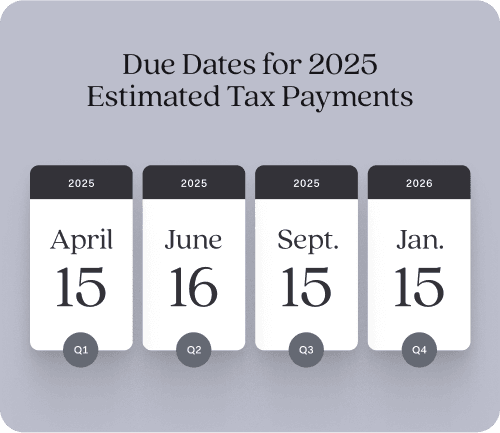
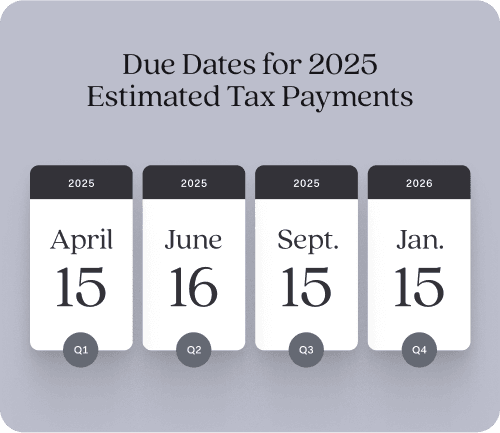
Additionally, self-employed individuals must adhere to quarterly estimated tax payment deadlines, which typically fall on:
- April 15
- June 15
- September 15
- January 15 of the following year
Business Tax Filing Deadlines
For corporations, the deadline for filing tax returns for the 2028 fiscal year is the 15th day of the fourth month following the end of the tax year, typically April 15 for standard calendar year corporations. It’s advisable for businesses to consult the Irs Tax Schedule 2028 to confirm specific due dates.
- C-Corporations: April 15
- S-Corporations: March 15
Credits and Deductions Relevant to the 2028 Tax Schedule
Understanding credits and deductions is essential when filing your taxes for the 2028 tax year. Taxpayers can maximize their refund or minimize their tax liabilities by effectively utilizing the available options.
Tax Credits to Note
In 2028, several tax credits are particularly valuable:
- Earned Income Tax Credit (EITC): Designed for low to moderate-income workers, this credit can significantly boost your refund.
- Child Tax Credit: Expect an increase in the limits this year, providing much-needed support to families.
- American Opportunity Tax Credit: Covering up to 100% of the first $2,000 spent on higher education, this credit encourages continuing education.
Deductions to Consider
For 2028, taxpayers can benefit from various deductions, including:
- Standard Deduction: The standard deduction has been raised this year, allowing you to deduct a base amount from your income.
- Itemized Deductions: Deductions for medical expenses, charitable contributions, and mortgage interest can still be claimed if they exceed the standard deduction.
- Retirement Contribution Deduction: Contributions to qualified retirement accounts may reduce your taxable income.
How to Prepare for the IRS Tax Schedule: Tips and Strategies
Preparing for the IRS Tax Schedule 2028 is crucial for ensuring a smooth filing process. With various tax updates and changes, being organized can save you time and stress. Here are some essential tips and strategies to help you get ready.
Understand Key Dates
It’s vital to familiarize yourself with important deadlines related to the IRS Tax Schedule. For 2028, the key dates include:
- The start of tax season: Typically begins in late January.
- The filing deadline: Usually falls on April 15.
- Extensions: If you need more time, be aware that extension requests require submission by the filing deadline.
Gather Necessary Documentation
Before you start filling out your tax forms, ensure you have all the required documents:
- W-2 forms from your employer.
- 1099 forms for any freelance or additional income.
- Proof of deductions: This can include receipts for medical expenses, mortgage interest, or charitable donations.
Collecting these materials ahead of time can help prevent delays and errors in your filing.
Utilize Technology
Consider using tax preparation software or online platforms designed to assist with the IRS Tax Schedule 2028. These tools can streamline the filing process and minimize the risk of mistakes.
Common Mistakes to Avoid on Your 2028 Tax Return
As you prepare your 2028 tax return, avoiding common mistakes can save you both time and money. Ensuring that you meet the specifications outlined in the IRS Tax Schedule 2028 is crucial.
Underreporting Income
One of the most frequent mistakes is underreporting income. Whether it’s freelance earnings or side jobs, all income must be accurately reported.
Consider double-checking all your forms and financial statements to ensure compliance with the IRS regulations.
Neglecting Deductions and Credits
Many taxpayers miss out on potential savings by failing to claim eligible deductions and credits. Research the deductions available for your specific situation, and consult the IRS Tax Schedule 2028. Below are important deductions you shouldn’t overlook:
- Charitable contributions
- Education credits
- Health care costs
Resources and Tools for Navigating the 2028 Tax Schedule
Understanding the IRS Tax Schedule 2028 can be daunting, but with the right resources and tools, you can simplify the process. Below are essential tools and resources that will help you navigate the complexities of the upcoming tax schedule effectively.
Official IRS Resources
The IRS website is the first place you should visit. It offers comprehensive guides on tax brackets, forms, and important dates. Regularly updating your knowledge from this official source ensures you are informed about the latest changes to the 2028 tax schedule.
Additionally, the IRS provides resources for specific taxpayer needs, such as information for small businesses and self-employed individuals.
Tax Software Solutions
Utilizing tax software can save you both time and effort. Many popular software programs, like TurboTax or H&R Block, will automatically update their platforms to reflect the 2028 IRS tax schedule.
- Easy-to-use interfaces
- Step-by-step guidance
- Maximized deductions and credits
Tax Calculators
Online tax calculators can help gauge your expected tax liability based on the 2028 tax schedule. These tools allow you to enter your income and deductions to estimate what you might owe.
Frequently Asked Questions
- What is the IRS Tax Schedule 2028?
- The IRS Tax Schedule 2028 refers to the specific forms and instructions provided by the Internal Revenue Service for filing taxes for the year 2028. This schedule outlines the various tax rates, deductions, and credits applicable for that tax year.
- When will the IRS Tax Schedule 2028 be available?
- The IRS usually releases the tax schedules and forms for a given tax year in the preceding year, so you can expect the IRS Tax Schedule 2028 to be available in late 2027.
- How can I access the IRS Tax Schedule 2028?
- You can access the IRS Tax Schedule 2028 by visiting the official IRS website or directly through the IRS Forms and Publications section. It is also possible to obtain the schedule from tax preparation software or financial advisors.
- What documents do I need for the IRS Tax Schedule 2028?
- To accurately complete the IRS Tax Schedule 2028, you will typically need documents such as W-2 forms, 1099s, and any records of deductions and credits you plan to claim. It’s important to gather all relevant financial documents before preparing your tax return.
- Are there changes expected in the IRS Tax Schedule for 2028?
- While specific changes can only be confirmed closer to the release date, tax schedules are often updated to reflect changes in laws, inflation adjustments, or policy changes. Staying informed through IRS announcements will help you understand any potential updates.
Final Thoughts
As we look ahead to the IRS Tax Schedule 2028, it is crucial to stay informed about the changes and updates that may affect your tax planning strategies. Understanding the new regulations and deadlines can significantly impact how you prepare and file your taxes, ensuring you are compliant while also maximizing your potential deductions and credits. With each evolving year, the IRS aims to streamline the tax process, but this also means remaining proactive in your financial planning. So, whether you’re an individual taxpayer or a business owner, make it a priority to familiarize yourself with the IRS Tax Schedule 2028 to navigate your tax obligations effectively and confidently.