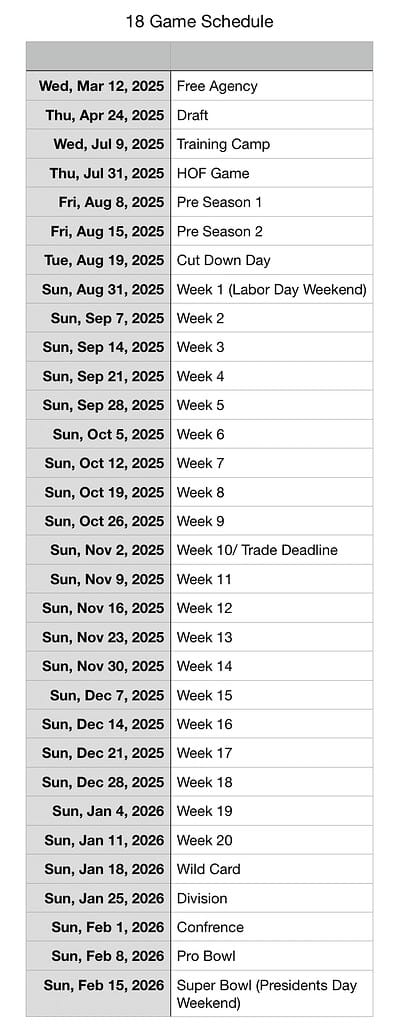
The SEC 2028 Schedule is a vital roadmap for anyone interested in understanding the significant events and deadlines pertaining to the Securities and Exchange Commission (SEC) for the year 2028. This comprehensive schedule outlines key regulatory milestones, filings, and compliance timelines that businesses, investors, and financial professionals need to be aware of. As we navigate an increasingly complex financial landscape, the SEC 2028 Schedule becomes an essential tool for ensuring that all stakeholders are fully informed and prepared for the upcoming changes in regulations. In this blog, we will delve into the critical aspects of the schedule and its implications for the financial community.
Understanding the Sec 2028 Schedule: An Overview
The Sec 2028 Schedule plays a crucial role in determining the financial landscape for individuals and corporations in 2028. This schedule outlines key tax obligations and informs taxpayers of their responsibilities. For 2023, understanding the nuances of the Sec 2028 Schedule is essential, particularly in the context of recent tax reforms and economic conditions.
Key Components of the Sec 2028 Schedule
The Sec 2028 Schedule encompasses essential components such as tax rates, deductions, and credits applicable for the year 2028. Knowing these components allows taxpayers to plan effectively and minimize their liabilities.
Furthermore, it’s important to stay updated on changes in tax legislation that may impact this schedule, enabling taxpayers to adapt to new regulations that could arise before the filing period.
Recent Developments Affecting the Sec 2028 Schedule
In 2023, various economic factors, including inflation and shifts in government policy, have led to discussions about potential adjustments in the Sec 2028 Schedule. Staying informed about these developments is critical for taxpayers.
- Monitoring potential increases in tax rates.
- Assessing impacts from new financial regulations.
- Understanding how economic conditions could shift deductions.
Key Components of the Sec 2028 Schedule
The Sec 2028 Schedule outlines critical elements that guide investment strategies and financial planning, especially in regard to tax regulations and benefits. Understanding these components is vital for individuals and businesses looking to optimize their fiscal responsibilities during 2028.
Investment Tax Credits
The Sec 2028 Schedule prominently features updated investment tax credits designed to encourage capital investment in sustainable technologies.
This structure not only boosts economic growth but also helps taxpayers take advantage of potential savings. Tax credits can significantly reduce overall tax liabilities.
Reporting Requirements
Another essential element of the Sec 2028 Schedule is the reporting requirements. Taxpayers must adhere to stringent documentation processes to remain compliant.
- Detailed record-keeping of investments
- Timely submission of financial documents
- Verification processes for reported data
Importance of the Sec 2028 Schedule for Investors
The Sec 2028 Schedule is vital for investors, as it outlines key timelines and regulations that can substantially impact investment strategies. Understanding this schedule enables investors to optimize their financial decisions and minimize risks.
Investment Timing
One of the primary benefits of adhering to the Sec 2028 Schedule is the ability to time investments effectively. By being aware of significant deadlines, investors can:
- Prepare for upcoming regulatory changes.
- Adjust portfolios based on projected market shifts.
- Capitalize on opportunities presented by company announcements.
Regulatory Compliance
Following the Sec 2028 Schedule not only helps investors stay informed but also ensures regulatory compliance. This compliance is crucial for:
- Preventing possible legal issues.
- Maintaining a good standing with regulatory bodies.
- Enhancing overall investment credibility.
How to Navigate the Sec 2028 Schedule
Navigating the Sec 2028 Schedule requires a fundamental understanding of its structure and purpose. This schedule is designed to outline upcoming deadlines, allocations, and reporting requirements associated with funding under the Section 2028 program. Efficient navigation through this schedule can enhance compliance and ensure that deadlines are met responsibly.
Understanding the Key Dates
To effectively navigate the Sec 2028 Schedule, it’s essential to identify and prioritize key dates. These might include:
- Application Start Dates
- Reporting Periods
- Final Submission Deadlines
- Renewal Notifications
By marking these dates on your calendar, you can ensure that you remain prepared and organized throughout the process.
Utilizing Available Resources
Another critical aspect of navigating the Sec 2028 Schedule is leveraging available resources. Various tools and platforms can help streamline the process, such as:
- Online calendar tools for tracking deadlines
- Program guidelines that offer detailed instructions
- Community forums for sharing experiences and advice
These resources not only enhance understanding but also foster a supportive environment for all stakeholders involved in the Sec 2028 program.
Common Challenges in Parsing the Sec 2028 Schedule
The Sec 2028 Schedule presents various complexities that can hinder accurate parsing. Those involved in interpreting this schedule must be aware of these challenges to navigate them effectively and avoid mishaps during implementation.
Data Format Inconsistencies
One significant challenge is the inconsistency in data formats. Different sources may present schedule data in various formats, making it hard to standardize. For instance, dates may be represented in MM/DD/YYYY or DD-MM-YYYY formats.
This discrepancy can lead to confusion and errors, especially when handling time-sensitive tasks related to the Sec 2028 Schedule.
Missing or Incomplete Data
Another prevalent issue is the occurrence of missing or incomplete data. Essential components of the schedule might be omitted or improperly logged, which can have substantial implications.
- Delays in project timelines
- Increased costs due to uncertainty
- Compromised decision-making quality
Future Implications of Changes to the Sec 2028 Schedule
The modifications to the Sec 2028 Schedule could bring about significant shifts in economic planning and resource allocation. With these updates, industry stakeholders must prepare to adapt to new compliance regulations and operational processes.
Potential Economic Impact
A major implication of these changes is the economic landscape. Businesses that strategically align with the new schedule could benefit from:
- Increased funding opportunities
- Enhanced project timelines
- Improved stakeholder engagement
Additionally, organizations that stay ahead of the curve may experience better competitive positioning in their respective markets.
Adaptation and Compliance Challenges
Companies will also face challenges in adapting to the revised timelines set forth in the Sec 2028 Schedule. These challenges include:
- Navigating complex regulatory frameworks
- Training staff on new compliance measures
- Adjusting project schedules to meet new deadlines
Such hurdles necessitate a proactive approach, as failure to comply could lead to financial penalties.
Resources for Further Learning about the Sec 2028 Schedule
To deepen your understanding of the Sec 2028 Schedule, there are several resources that provide comprehensive insights and updates. Accessing the right materials can significantly enhance your knowledge and application of this schedule in your financial planning.
Online Educational Platforms
Many online platforms offer courses focusing on the Sec 2028 Schedule. Websites such as Coursera and Udemy have established courses that cover fundamental concepts as well as advanced strategies.
For example, a course titled “Understanding the Sec 2028 Schedule” on Coursera is recommended for beginners. This course offers a structured approach to the complexities of the schedule, including tips for implementation.
Government Publications and White Papers
Government websites often have the most accurate and detailed information regarding the Sec 2028 Schedule. The IRS publishes periodic updates that can be invaluable.
- Official IRS Guidelines: A must-read for compliance.
- White Papers: In-depth analyses on specific aspects of the Sec 2028 Schedule.
Frequently Asked Questions
- What is the SEC 2028 Schedule?
- The SEC 2028 Schedule refers to a proposed timeline and regulatory framework for the implementation of various financial reporting and compliance obligations set by the Securities and Exchange Commission (SEC) for the year 2028.
- Who is affected by the SEC 2028 Schedule?
- Entities that are publicly traded or plan to go public will be affected, including corporations, investment firms, and other financial institutions that must adhere to SEC regulations.
- What are some key deadlines in the SEC 2028 Schedule?
- Key deadlines may include filing dates for annual reports, quarterly earnings disclosures, and compliance milestones for new regulatory requirements. Specific dates will be outlined by the SEC as they become finalized.
- How can companies prepare for the SEC 2028 Schedule?
- Companies can prepare by reviewing their current compliance practices, investing in robust accounting systems, training staff on new regulations, and staying informed about changes in SEC policies.
- Where can I find updates about the SEC 2028 Schedule?
- Updates about the SEC 2028 Schedule can be found on the official SEC website, as well as through financial news outlets and compliance-focused industry publications.
- What changes can we expect in the SEC 2028 regulations?
- While specific changes have yet to be finalized, companies can expect an increase in transparency requirements, accounting standards updates, and more scrutiny on disclosures related to environmental, social, and governance (ESG) factors.
- Why is the SEC’s 2028 Schedule significant?
- The SEC’s 2028 Schedule is significant as it sets the stage for future regulatory changes that impact capital markets, investor protection, and overall market integrity, influencing how publicly traded companies report their financials.
Final Thoughts
In wrapping up our discussion on the Sec 2028 Schedule, it’s clear to see its critical impact on financial planning and investment strategies for the upcoming years. Staying informed about the deadlines, compliance requirements, and potential implications of this schedule not only enhances your readiness but also empowers you to make strategic decisions that align with your financial goals. As we approach the specified timelines, ensure you stay engaged with updates and expert insights to mitigate risks and maximize opportunities. The Sec 2028 Schedule is more than just a timeline; it’s a pathway to achieving greater financial clarity and success. Your proactive approach now will pave the way for a more secure financial future.